NFT trading cards sit where collectibles, gaming and crypto meet. In 2026 they cover sports highlights, fantasy squads, anime art and licensed character sets, with big brands and indie creators both in the mix. Market research on NFT trading cards shows sports cards as the largest content type, with sports-related NFTs holding more than 40% of this segment.
This guide walks through what NFT trading cards are, how the main formats work, how to buy and create them, how they compare to physical cards and how a tool like cryptact can help you stay on top of value and tax.
Table of contents |
No credit card required
What are NFT trading cards
This is the starting point for anyone who has heard the term but has not really unpacked it. Before you think about “best sets” or “drops”, you need a clear idea of what you are actually buying and what you own when you hold one of these cards.
NFT trading cards are digital cards minted as non-fungible tokens on a blockchain. Each card has a unique on-chain ID and points to art, stats or video. You keep it in a wallet, you can send it to someone else and, if the project supports it, you can use it in a game or fantasy league.
Sports card NFTs include player portraits and highlight moments for licensed leagues. Game cards act as pieces in a digital deck. Art and entertainment cards focus on characters or scenes from comics, film and original stories. All of them follow the same core idea: a trading card that lives on-chain instead of in a binder.
Main types of NFT trading cards in 2026
Once you know the basic concept, the next step is to understand the main “buckets” in the market. This helps you aim your budget instead of clicking into random drops that do not match your interests.
Here are the big categories you will keep seeing:
If you look for the best NFT trading cards for yourself, start by picking one of these lanes. A Sorare fantasy football card, a Gods Unchained legendary and a hybrid DC card all behave very differently in practice.
| Type | Short description | Typical examples |
| Sports NFT trading cards | Player cards, team sets and moments licensed by leagues or clubs | Sorare football and basketball cards, officially licensed lighlight style sets |
| Game-based cards | Cards used inside an NFT trading card game with on-chain ownership | Gods Unchained and other tactical NFT card games |
| Art and entertainment | Character or story cards from comics, anime, film and original art | Branded drops and creator runs on major NFT markets such as OpenSea and Blur |
| Hybrid NFT trading cards | Physical cards linked to a matching NFT through a QR code or code scratcher | Hro hybrid cards pairing physial stock with a digital "twin" *Update: The service terminated at the end of January 2025. |
How NFT trading card games work
Trading card games are one of the strongest use cases for NFTs, so it is worth understanding how they are put together. If you are a player first and a collector second, this is likely the part you care about most.
An NFT trading card game is a digital card game where at least some of the cards are NFTs. You build decks, play matches, earn rewards and, when you want, trade or sell certain cards on external markets. Ownership is anchored in your wallet rather than only on the game’s internal account system.
Gods Unchained is a clear example. It is a free-to-play tactical card game where players can link a wallet and start earning cards as NFTs, then trade those cards on supported marketplaces. The official material emphasizes “true ownership” of in-game items through NFTs.
If you browse an NFT trading card games list, focus on three simple checks before putting real money in:
- Do people still play it and talk about it
- Are there regular updates from the team
- Is there real trading volume for the cards you are eyeing
A strong card in a live game is very different from a rare card in a game that has already stalled.
How to buy NFT trading cards safely
Plenty of people arrive from the physical card world and run into wallets and gas fees for the first time. This section gives a clear path that keeps you out of the most common traps.
Searches like "buy NFT trading cards" or "how to buy NFT trading cards" usually boil down to a few repeated steps:
1.Pick your theme and platform
Decide whether you are into sports, game cards or art. For sports and fantasy, platforms like Sorare promote “ownable digital player cards” tied to real leagues. For general collectibles and art, large NFT marketplaces host plenty of NFT digital trading cards and card packs.
2.Set up a wallet or account
Some platforms run with email-based accounts and keep custody for you. Others expect a self-custodial wallet. If you use your own wallet, write the recovery phrase on paper and store it somewhere safe, not in screenshots or chat apps.
3.Add funds with care
Use a card or bank on-ramp when the platform offers one, or send crypto from a wallet you already use. If you pay for cards with crypto instead of cash, remember that spending that crypto can itself be a taxable disposal, because you are effectively selling it to buy the card. Either way, check what the typical network fee looks like before you move a large amount.
4.Start small and learn the flow
Buy a low-price card or pack, then list and sell something minor. Watch how fees, royalties and payouts show up. Once you understand the full round trip, you can scale up.
5.Stay inside trusted flows at the start
Many scams start with a private message that tries to move you into a direct wallet-to-wallet deal or a fake site. Until you are confident with signatures and contract addresses, keep activity inside known platforms.
How to create NFT trading cards
Some readers are not just collectors. They have art, a story world or a small game and want to know how to turn that into cards. You do not need to write contracts from scratch, but you do need to think through the set before you mint anything.
A straightforward path for how to create NFT trading cards:
- Define the concept: theme, story, rarities and card roles
- Prepare artwork and metadata for each card (names, traits, descriptions)
- Pick a chain and token standard (for example, an ERC-721 collection on a major network)
- Use a no-code minting platform or a marketplace that lets you deploy your own collection
- Set supply, rarity tiers and a royalty rate, then launch a small test run and gauge interest
The technical side is easier than it was a few years ago. The harder part is being clear about what buyers actually get in terms of rights and utility. For creators, there is also a tax angle: primary sales of your cards and ongoing royalties on secondary trades can be treated as business income rather than capital gains, especially if you mint and sell cards on a regular basis, so it is worth speaking with a tax adviser about how to report that income.
NFT trading cards vs physical cards
This is the comparison many collectors still wrestle with. Physical cards have a long history and emotional pull, while NFTs bring new tools and risks. Laying them side by side makes the trade-offs clearer.
Physical cards
- You can hold, grade and display them
- Condition, scarcity and brand drive value
- Market activity still leans on shops, shows and auction sites
NFT trading cards
- Live in a wallet, so storage and shipping are simple
- On-chain supply makes scarcity easy to check
- Global markets make it simple to buy and sell at any hour
- You depend on the blockchain, marketplaces and project teams staying active
Hybrid NFT trading cards sit in the middle. Hro, for example, linked each physical card to a digital “twin” through a QR code in its app, so buyers could scan the card, unlock the NFT and then trade in a global marketplace while still enjoying the physical card at home.
The better format for you depends on how much you value tangibility, how comfortable you are with wallets and how much risk you are willing to take on new tech.
Are NFT trading cards worth it
This question rarely has one answer, because people mean different things by “worth it”. Some care about fun, others about return; most care about both. A simple way to think about it is to split enjoyment and money.
On the enjoyment side, demand is real. Sorare shows how fantasy sports players like owning digital player cards tied to real matches, with football, basketball and baseball all in one ecosystem. Gods Unchained shows how NFT cards can give players more control over their decks in a competitive game.
On the money side, reports on trading cards and NFTs point to strong growth but also sharp swings. One study of the NFT trading card market points to a compound annual growth rate above 30% through the early 2030s, with sports content making up more than 40% of the segment, but it also notes that the market moves quickly with trends.
Practical ground rules:
- Buy cards and packs you are happy to hold even if prices fall
- Do not let NFT cards dominate your overall portfolio
- Treat them like high-risk collectibles, not a guaranteed path to profit
If you stay inside those lines, you keep the hobby enjoyable and reduce the chance of painful surprises.
Tracking value and tax with cryptact
Once you hold more than a handful of NFT trading cards across different games and marketplaces, it becomes hard to track what you paid, what you sold for, and whether you are in profit or loss on each card. In many places, NFT trading cards are treated as digital property for tax, so selling, trading, or spending a card can create a gain or loss that you may need to report under your local rules.
This is where cryptact comes in. cryptact is a crypto tax and portfolio tool that lets you pull in data from multiple exchanges and wallets, then see everything in one place. Public material from the company explains that it supports cost base tracking and tax reports for crypto portfolios, including complex histories with many small trades.
For someone active in NFT trading cards, cryptact can help you:
- Import marketplace data such as OpenSea and Blur as well as wallet data through API or CSV
- Check realised and unrealised profits and losses across your broader crypto holdings
- Track and manage your NFT collections across platforms in one place
Prepare tax-ready reports that include NFT trades where local rules require them
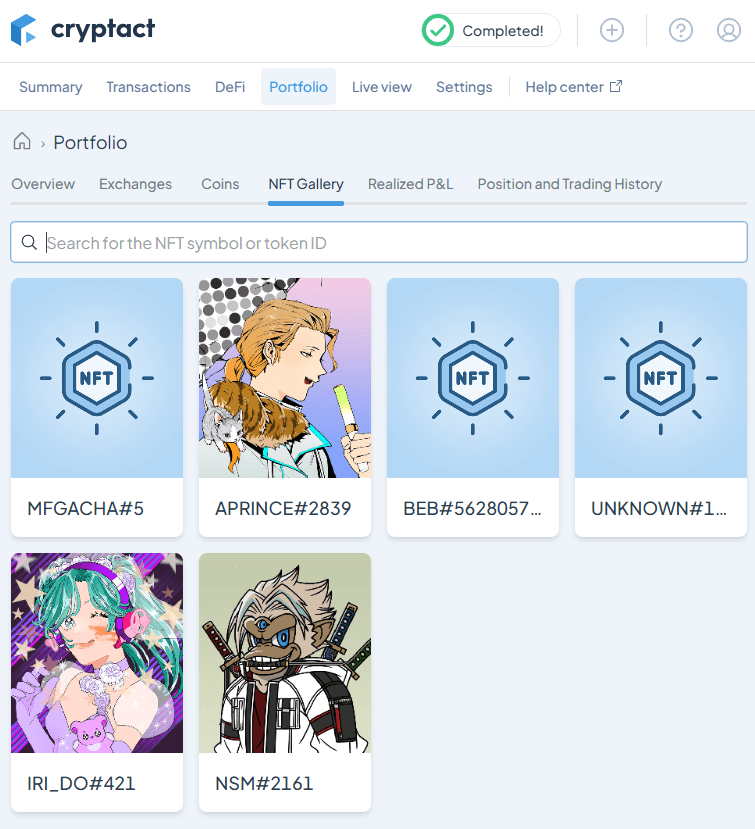
CARF and other reporting frameworks are making on-chain activity more visible to tax offices over the next few years. If NFT trading cards are part of your portfolio, pairing them with organized tracking through cryptact keeps your numbers clean and makes it easier to enjoy the cards without losing track of what they cost you.